Technical education with a tradition of innovation.
PV Polytechnic College, managed by the Rajas Educational Trust, is committed to providing quality technical education for poor and downtrodden students in Tamil Nadu.
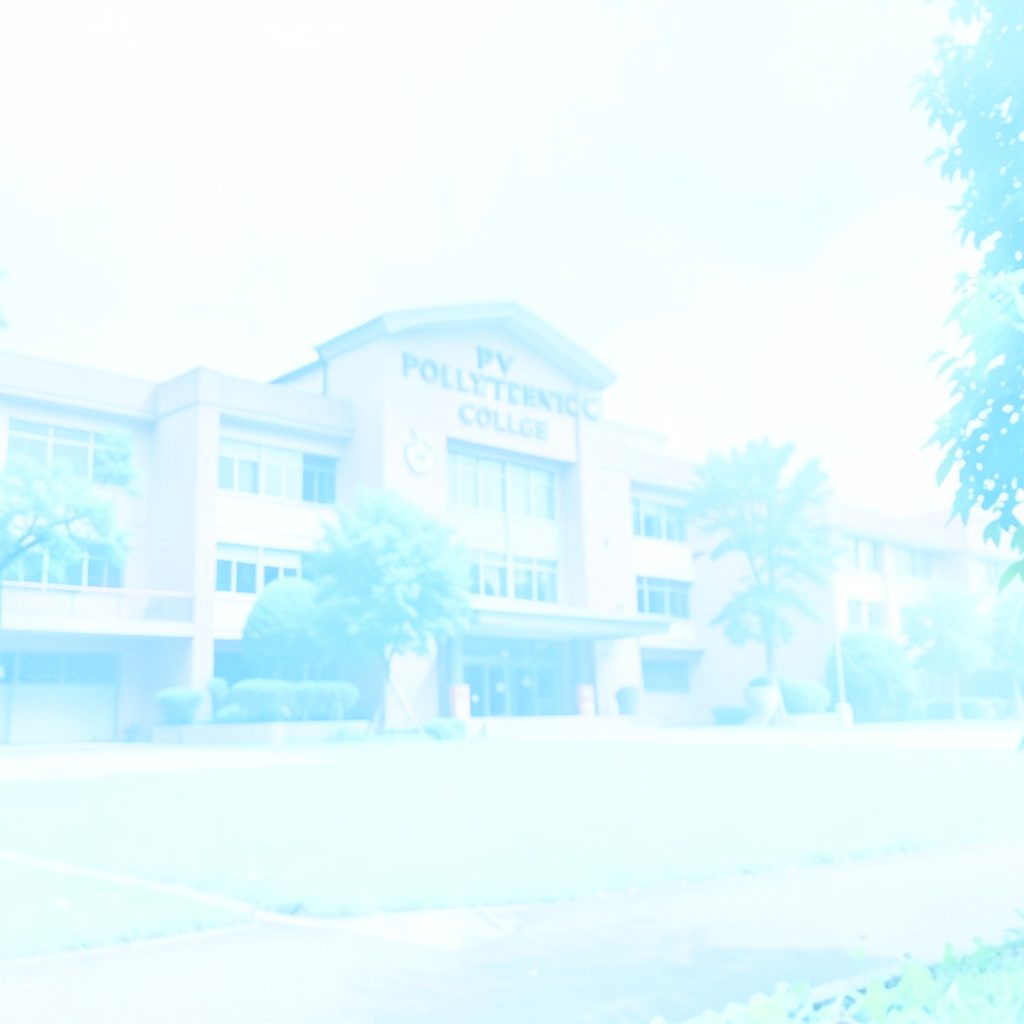
A focused polytechnic grounded in technical training and student development.
Located on NH 66, Pelakuppam Gingee Road in Tindivanam, the college brings structured academic programs, an experienced faculty, and a modern learning environment together for every student.
Academic Programs
Technical education programs designed to build practical skills and core engineering knowledge.
Modern Campus
Facilities on the Pelakuppam Gingee Road campus support hands-on learning and student life.
Dedicated Faculty
Educators experienced in technical fields guide students through structured academic work.
Student Support
Resources and initiatives for current and prospective students, including grievance redressal.
Accessible Mission
Rajas Educational Trust's mission extends technical education to underserved communities.
What the college community says.
Reflections from families and students connected with PV Polytechnic College.
"The college gave our son a clear path into technical education. The faculty were approachable and the campus was well maintained."A parent of a current studentTindivanam
Modern technical education thrives when curiosity is paired with opportunity, and a polytechnic rooted in tradition understands this balance well. By welcoming learners from varied backgrounds, the institution turns ambition into tangible skill through practical training, workshop exposure, and disciplined classroom engagement. The aim is not merely to award a diploma but to shape confident engineers who can adapt, communicate, and contribute meaningfully to their communities and industries from the very first day on the job.
Learn how our programs integrate sustainability and green engineering practices to prepare students for eco-conscious careers. Sustainability and green engineering at PV Polytechnic A strong academic foundation begins with thoughtfully designed diploma programs that align with real workplace expectations. Course structures in streams like electronics, mechanical, and computer-related engineering balance theoretical understanding with hands-on laboratory work. Students learn to interpret drawings, operate instruments, and troubleshoot circuits or systems under faculty guidance, ensuring that the classroom stays closely connected to industry practice rather than drifting into abstract study alone.
Faculty members serve as mentors who translate complex ideas into approachable lessons, encouraging questions and steady progress. Their experience in both teaching and applied technology helps bridge the gap between textbooks and live projects. Regular interactions beyond lectures, including demonstrations, presentations, and remedial sessions, support learners who may be entering technical study for the first time in their families.
Infrastructure quietly shapes the rhythm of every learning day. Well-ventilated classrooms, stocked libraries, organized laboratories, and reliable digital tools create an environment where attention can settle and ideas can grow. When spaces are clean, equipped, and purposefully arranged, students feel respected and are more willing to participate, collaborate, and explore subjects that once seemed intimidating or beyond reach.
The tradition of innovation at a long-established college reflects a willingness to update methods without losing core values. Introducing newer teaching aids, project-based assessments, and industry visits alongside conventional coursework keeps the curriculum relevant. This blend of respect for discipline and openness to change helps graduates enter workplaces ready to learn further rather than relying solely on memorized procedures from earlier chapters.
A welcoming campus culture encourages students to engage beyond academics through seminars, cultural events, and outreach activities. Such participation builds communication skills, leadership habits, and friendships that often last long after graduation. When learners feel encouraged to express themselves on stage, in teams, or during community service, their overall confidence grows alongside their technical capabilities in measurable and lasting ways.
Serving students from humble backgrounds requires more than affordable fees; it demands genuine support systems. Guidance on career choices, exposure to scholarship information, and encouragement to pursue higher studies help transform educational access into real mobility. A college that listens to parental concerns, resolves grievances promptly, and maintains transparent communication builds the trust families place in technical institutions across the region.
Career readiness emerges gradually through internships, mock interviews, and project showcases that simulate workplace expectations. Students practice presenting their ideas, writing concise reports, and working within deadlines. These small repetitions accumulate into professional habits that ease the transition from campus life into engineering roles, whether graduates join local industries, pursue further studies, or start ventures of their own.
Discipline and values remain central to the learning journey, shaping how students treat peers, equipment, and time. A respectful environment nurtures curiosity while reinforcing responsibility, preparing learners to function within teams and organizations. When technical skill is matched with ethical grounding and steady work habits, graduates become dependable colleagues and thoughtful contributors wherever their careers eventually lead them.
Looking ahead, technical education must keep responding to rapid changes in communication, manufacturing, and digital tools. A polytechnic with an established legacy and an innovative spirit is well placed to guide this evolution locally, preparing citizens of India who can serve society with competence, humility, and an enduring desire to learn throughout their professional lives.
"Practical lab sessions were a highlight. We had access to equipment and instructors who explained concepts with patience."Diploma studentFinal year
"The trust's mission is visible across the campus. It feels like a place designed to help students from modest backgrounds move forward."Former studentNow in industry
Areas of focus across the college.
Browse the main pillars of the college. Visit the linked pages for detailed information.
Diploma Programs
Polytechnic diploma pathways offered through the college's technical programs.
Learn morePractical Labs
Workshops and laboratories designed to support technical training on campus.
View facilitiesLibrary Resources
Reference materials and reading space for students across all disciplines.
Learn moreMain Campus
The college is located along NH 66 on the Pelakuppam Gingee Road in Tindivanam.
Campus detailsStudent Initiatives
Programs and support structures aimed at student development throughout the year.
Learn moreGrievance Process
A transparent mechanism for students and stakeholders to raise concerns.
Submit feedbackTeaching Faculty
Dedicated faculty members lead instruction across technical and academic subjects.
Meet the teamChairman's Desk
Guidance from the leadership of the Rajas Educational Trust, established in 1995.
Read moreFor Prospective Students
Information for prospective students and families exploring diploma pathways.
Contact us